Quick Information

Plan your visit

Is the de Young Museum worth visiting

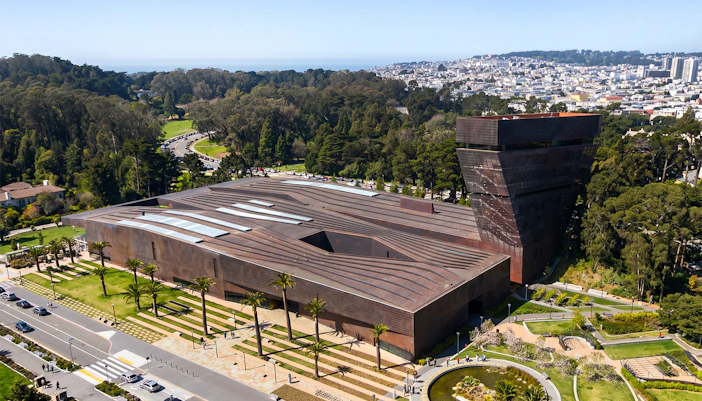
The first thing you notice is how the museum rises out of Golden Gate Park instead of sitting apart from it. Copper walls catch the foggy light, the lobby feels calm without being formal, and the galleries give you room to slow down.

The de Young was built to be both a civic museum and a landmark: a home for American art, global textiles, and major temporary shows, but also a building shaped by the landscape around it. That gives the visit a wider emotional range than a typical gallery stop.

What stays with most visitors is the contrast. You can spend an hour with paintings and textiles, then step up to a tower view of treetops, neighborhoods, and the Golden Gate. Few museums braid art, architecture, and the city so naturally.

Skip it if: you want a fast, interactive attraction or have less than 2 hours to spend indoors.

What to see at the de Young Museum

American art galleries at the de Young Museum
1/6

American art galleries

The core of the museum for many visitors: paintings, sculpture, and decorative arts from the 17th through 20th centuries. Give these rooms real time; they’re broader and more varied than a quick lap suggests.

Textiles and costumes

One of the museum’s strongest and most distinctive areas. Expect global garments, woven works, and decorative pieces that reward slow looking, especially if you want something beyond a standard painting-focused museum visit.

Arts of Africa, Oceania, and the Americas

These galleries widen the experience beyond American art and are worth seeking out early. They’re often quieter than the headline rooms, which makes them easier to absorb at your own pace.

Special exhibition galleries

This is where the de Young’s major temporary shows land, and they can reshape the value of the visit entirely. Timed access and separate demand often apply, so book ahead if a specific exhibition matters to you.

Hamon Observation Tower

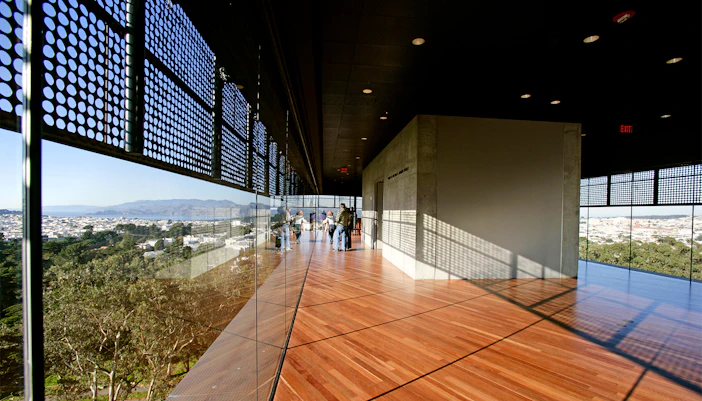
The 144-foot tower is the museum’s signature extra. It’s open to the public and gives you a 360-degree read of San Francisco, but don’t leave it for the final minutes because tower access ends before the museum closes.

Barbro Osher Sculpture Garden

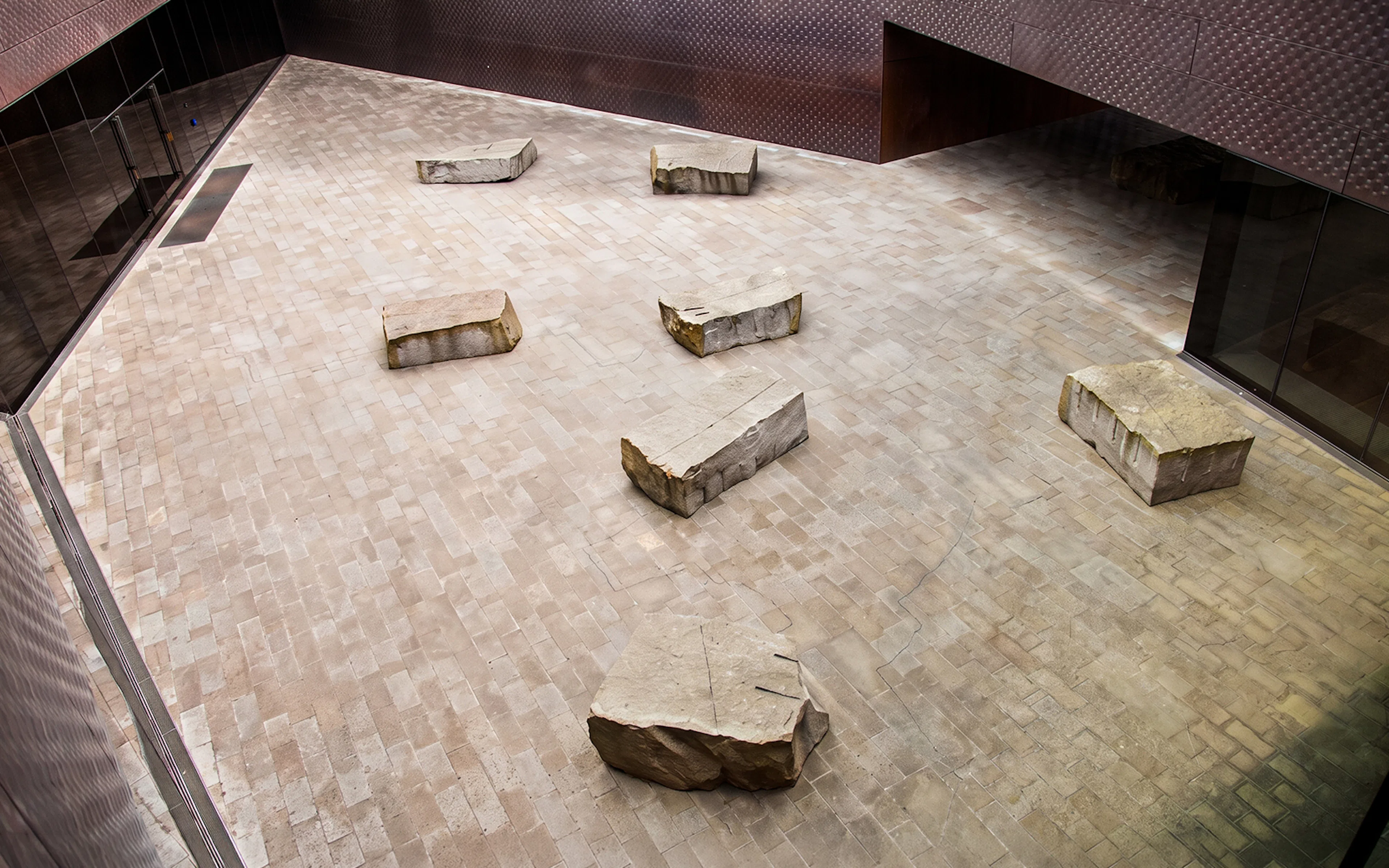
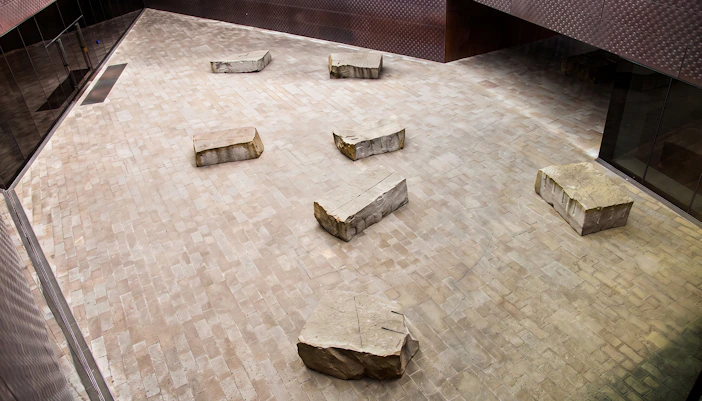
A useful reset after the galleries: open-air sculpture, park light, and a quieter pace. It takes only 10–20 minutes, but it changes the rhythm of the visit in a good way.

How to explore the de Young Museum

Give yourself 2–4 hours, depending on whether you’re only seeing the permanent collection or also adding a major temporary exhibition and the tower. A quick pass through the core galleries can work in about 2 hours, but 3–4 hours feels more realistic if you like reading labels, doubling back, and taking breaks.

Start with the permanent collections first, especially the American art galleries and textiles, while your energy is fresh and before midday crowds build. Then move to any timed special exhibition, which often has the most demand and can shape the rest of your route. Save the Hamon Observation Tower for later in the visit, but not for the final minutes, since it closes before the museum does.

  • Must-see: The American art galleries, the textiles and costumes collection, and the tower view.
  • Optional: The Barbro Osher Sculpture Garden, which adds fresh air and about 15–20 minutes. Self-paced works well here, but a guided tour is useful if you want sharper context for one exhibition or want the building’s layout decoded quickly.

Brief history of the de Young Museum

  • 1895: The museum opens after San Francisco’s Midwinter International Exposition, turning a fairground legacy into a permanent civic art institution.
  • 1972: The de Young and the Legion of Honor come under the Fine Arts Museums of San Francisco, linking the city’s 2 major art museums.
  • 1978: John D. Rockefeller III’s major gift strengthens the museum’s American art holdings and shapes the collection visitors know today.
  • 1989: The Loma Prieta earthquake severely damages the older building, pushing the museum toward a full rethink rather than another repair.
  • 2005: The current copper-clad de Young opens in Golden Gate Park, designed by Herzog & de Meuron with Fong & Chan Architects.
  • Today: The museum is known as much for its rotating exhibitions and observation tower as for its permanent collections.

Who built de Young Museum

The original museum was championed by newspaper publisher M. H. de Young after San Francisco’s 1894 Midwinter Fair. His ambition was civic as much as cultural: to turn an exposition legacy into a permanent public museum for the city, not a private collection.

Architecture of the de Young Museum

Style

Contemporary and sculptural, but not cold. From outside, the building feels almost geological; inside, it opens into calmer, lighter spaces.

Materials

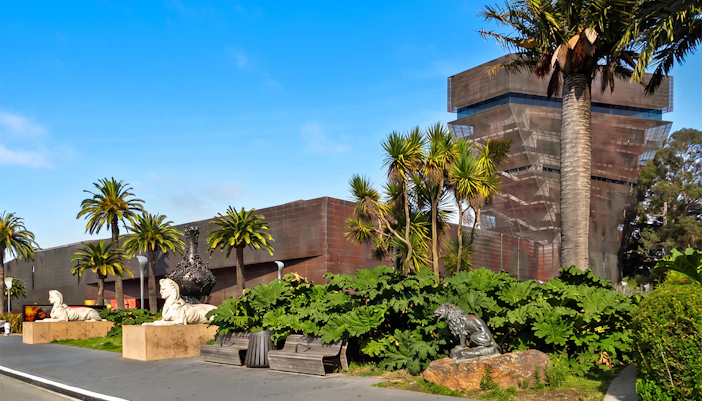
Weathered copper, glass, concrete, and wood define the experience. The copper skin changes with fog and sun, so the museum never looks quite the same twice.

Tower

The 144-foot Hamon Observation Tower is the structural signature, lifting you above the tree line and turning the building into part gallery, part lookout.

On the ground

Long windows and framed park views keep Golden Gate Park present even between galleries, so the landscape never fully drops out of the visit.

Architect

Herzog & de Meuron, with Fong & Chan Architects, designed the 2005 building to feel rooted in the park rather than simply placed inside it.

The de Young and the Legion of Honor

The de Young is only half of San Francisco’s Fine Arts Museums. Its sister institution, the Legion of Honor, covers very different ground, with stronger European painting, sculpture, and older collections, while the de Young leans into American art, textiles, design, and rotating crowd-drawing exhibitions. That split helps explain why museum-focused travelers compare the 2 rather than choosing blindly. If the de Young leaves you wanting a broader view of the city’s art scene, the Legion is the clearest next step rather than a duplicate experience.

Frequently asked questions about the de Young Museum

Yes. If you want art, architecture, and a park setting in one stop, it earns a place on most San Francisco itineraries. Check current de Young Museum tickets if you’ve already decided it fits your day.

More reads

Timings

Directions

Plan your visit